What to Do When a Client Posts a Public Complaint About Your Business (Before You Reply)
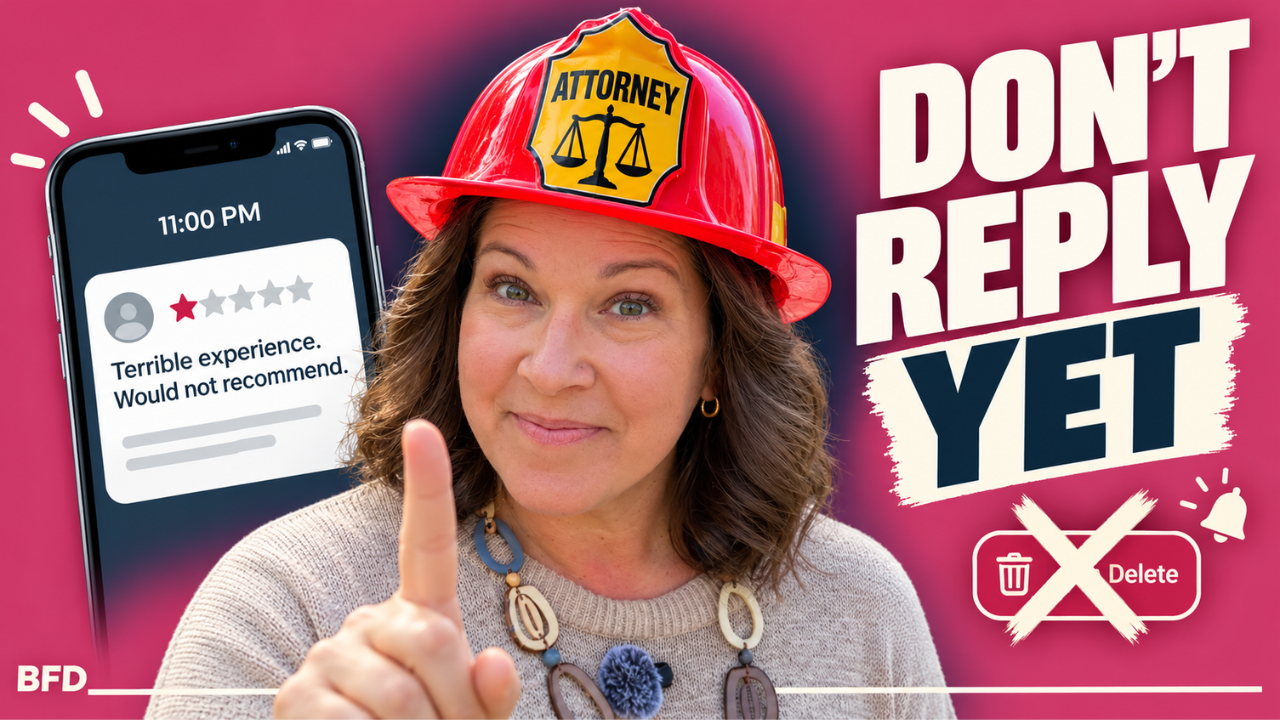
It's eleven o'clock on a Tuesday night. You're about to turn off the lights, and you see a notification. A client you thought was happy just tagged your business in a post: "Paid thousands. Got ignored. Do not hire."
Everyone you know can see it. You are the last to find out.
Here's what surprises most business owners: people who post a public complaint usually aren't trying to ruin you. They felt like there was no other way to be heard. So the best fix isn't a clever comeback. It's making sure they have somewhere else to go before they ever open that app.
[WATCH ON YOUTUBE — embed code goes here]
The Alarm: What This Looks Like
- A one-star review with your name on it.
- A Facebook post tagging your business.
- A comment thread under your own post where people pile on.
- A client who already tried to reach you privately and got no answer.
Reacting is firing back in public, defending yourself line by line, or deleting the post at midnight and hoping nobody saw it. All of those usually make it look worse. Responding is running the drill.
Run the Drill: D-R-I-L-L
D: Don't react. Don't answer tonight. Don't delete it. Don't argue. And don't ask your friends to go leave good reviews. Extinguisher piece one: a standing rule you decide now, while you're calm. We don't argue in public, and we don't delete unless the post truly breaks the platform's rules. If someone else watches your social accounts, they know they're allowed to move things private right away.
R: Record everything. Screenshot the post, the comments, and the timestamps before anything changes. Piece two: a folder for it, with the date and what you did. Digital is fine, but if this could touch your finances or your reputation in a big way, keep a printed copy too, so a lockout doesn't take your records with it.
I: Identify the real risk. Is the complaint accurate, unfair, or a misunderstanding? Piece three: sort it. If it's accurate, fix it and say so. If it's a misunderstanding, clarify privately. If it's false and could really damage your business, get an attorney's eyes on it before you say another word. Whichever it is, your public tone stays calm.
L: Lead with calm. Piece four: a short reply you can use right away. Three sentences: "I'm sorry this was your experience. I want to make this right. Please email me at this address so I can look into it." Don't share their details, don't explain your side, and don't mention what they paid. Keeping their information private is your job, even when they didn't. A helpful trick: save your reply as a text snippet (I use TextExpander) while you're calm, so a calm, professional answer comes out when you're not.
L: Lock in the lesson. Piece five: a private complaint channel that actually works. An email address or a form, checked consistently, and placed where clients will look: onboarding, receipts, purchase terms. If a frustrated client can find you in under thirty seconds, they tend not to go public. I built one place for all of mine, my feedback page, and it lives at the bottom of every email.
If It's Already Burning
Take screenshots. Reply briefly and calmly, and invite them to message you privately. Follow through on anything you promised. And don't delete the post unless it genuinely breaks the platform's rules.
Your Next Right Decision
- Do nothing. You already have a private complaint channel, and someone checks it consistently.
- Put the drill in place. Can an unhappy (or happy) client find where to tell you in under thirty seconds? If not, build it now.
- Send this to a friend with a public-facing business. They're one frustrated client away from finding out if their channel works.
This was the short version. Want me to go deeper on the exact words for replies, my saved replies, what to do when the complaint is false, or how I set up my feedback loop? Leave a comment on the video and tell me what you want.
Keep Exploring
- Can You Use a Customer's Testimonial Without Asking? What to Get in Writing in 2026 (Fire Drill 20)
- Customer Asking for a Refund? What to Do Before It Becomes a Chargeback or a Lawyer's Letter (Fire Drill 5)
- Your High-Ticket Offer Isn't Being Delivered — What to Do Whether You Sold It or Bought It (Fire Drill 4)
- The Pay-to-Play Fire — What Happens When Sponsorship Money Goes Wrong
- The Terms and Conditions for Your Online Courses, Memberships, 1:1 Services
Listen to the Business Fire Drills Podcast
Where's the smoke detector in your business? Eleven questions, about three minutes, and it shows you which fires your business is most likely to have. Run it here.
This is general educational information, not legal advice for your situation. Talk to an attorney about your specific facts.
Every business decision is impacted by legal — and we want those impacts to be positive.
If you’re building, creating, or using AI in your business, get my latest briefings directly in your inbox.
I’ll help you stay clear, compliant, and calm.
I send thoughtful updates — never spam. You can unsubscribe anytime. Emails are for education, not individual legal advice, and help you stay clear on the business impacts of law and your choices.
